When checking out, simply select the "New Customer" option. All you need to get started is a valid email address and a secure password of your choosing. After your purchase is complete, your account will be created, and you will immediately gain all the benefits of being an account holder. If you have previously placed an order with us as a guest, you can try using the "Forgot Password" feature under the "Sign In" tab.
Benefits of having an account:
Real-time status updates on all your orders and returns.
Ability to view detailed order history.
Eligibility to enroll in subscription items for recurring discounts.
Access to more store features and quicker customer support.
Connection to a dedicated sales representative if placing bulk orders.
Manage your account settings:
Update your email address and password.
Unsubscribe from email promotions.
Manage item subscriptions.
Delete your account and remove your information.
We respect your privacy and are committed to protecting any personal information you may provide us through our Website. View our privacy policy for more info.
An air purifier and a humidifier may sit in the same home-air-quality aisle, but they perform completely different jobs. An air purifier cleans the air by capturing airborne particles and, on compatible models, reducing certain odors and gases. A humidifier adds moisture to the air to increase indoor relative humidity.
The simplest way to understand the difference between an air purifier and humidifier is this: choose an air purifier when the problem is something floating in the air, and choose a humidifier when the problem is air that is too dry. Neither appliance performs the other's primary function.
The Fundamental Difference
Feature
Air Purifier
Humidifier
Primary purpose
Captures airborne pollutants
Adds moisture to dry indoor air
What it addresses
Dust, pollen, smoke particles, pet dander and mold spores
Pulls room air through HEPA, carbon or other filtration media
Disperses cool mist, warm mist or evaporated moisture into the room
Does it remove particles?
Yes, when particles pass through the filter
No
Does it increase humidity?
No
Yes
Routine maintenance
Clean vents and replace or wash compatible filters
Refill, clean and disinfect the water tank as directed
Portable air cleaners can reduce indoor particle levels, but no air purifier removes every pollutant or replaces source control, cleaning and appropriate ventilation.
What Does an Air Purifier Do?
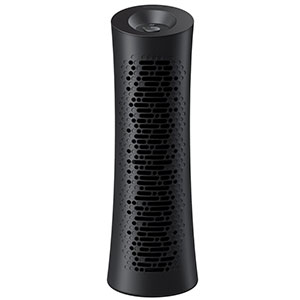
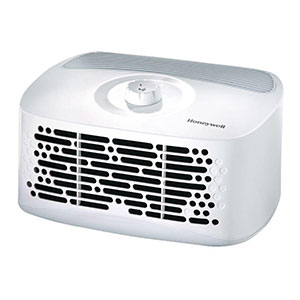
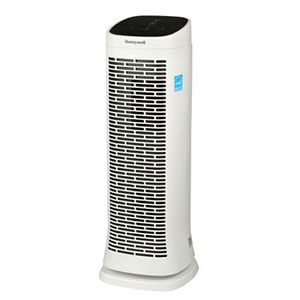
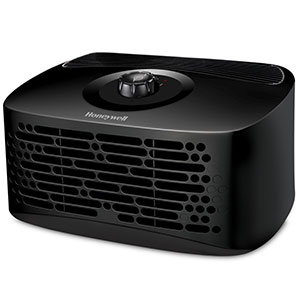
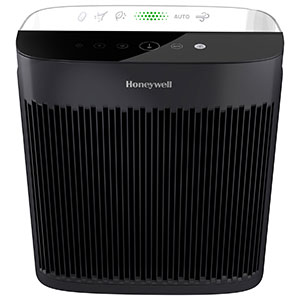
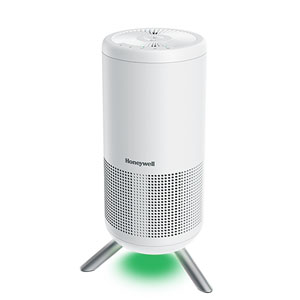
An air purifier uses an internal fan to pull surrounding room air through one or more filters. A Honeywell True HEPA air purifier can help capture airborne dust, pollen, pet dander, mold spores and smoke particles. Models with an activated carbon pre-filter can also help reduce certain household odors and volatile organic compounds.
HEPA filters are particularly effective at mechanical particle filtration. A qualifying HEPA filter is designed to capture at least 99.97% of airborne particles measuring 0.3 microns as air passes through the filter.
Choose an Air Purifier If:
You experience seasonal pollen allergies.
You are sensitive to airborne pet dander.
You want to reduce dust circulating through a bedroom or living area.
You are concerned about smoke particles from wildfires, fireplaces or tobacco.
You want help reducing cooking, pet or household odors with a compatible carbon filter.
You have asthma and airborne particles are among your known triggers.
Portable HEPA air cleaners may improve some allergy or asthma symptoms for some people, but research does not show major improvement in every symptom or for every user. An air purifier should support—not replace—an asthma treatment plan or advice from a healthcare professional.
What Does a Humidifier Do?
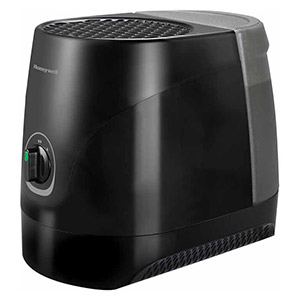
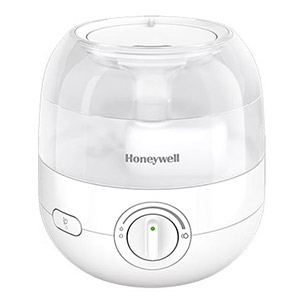
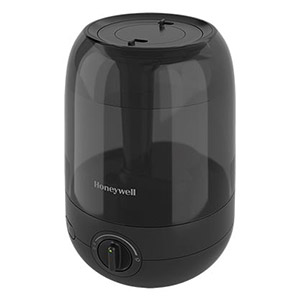
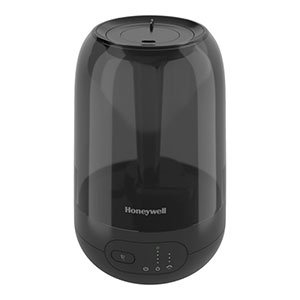
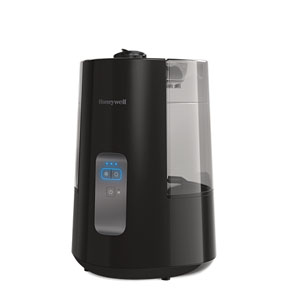
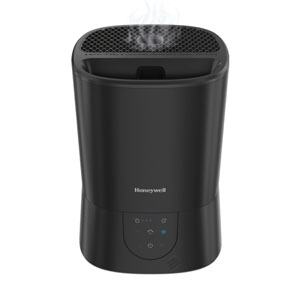
A humidifier does not filter pollutants from the room. It releases moisture to increase indoor humidity when the air is uncomfortably dry. This can be especially helpful during winter, when heating systems often lower indoor relative humidity.
Choose a Humidifier If:
Your skin becomes dry, itchy or uncomfortable during winter.
You frequently experience chapped lips or a dry throat.
Your nasal passages feel dry or irritated.
You experience occasional bloody noses related to dry indoor air.
Dry air contributes to sinus discomfort or congestion.
Your home's measured relative humidity is consistently below the comfortable range.
A clean humidifier may ease symptoms associated with dry skin, dry nasal passages and throat irritation. Moisture may also ease some coughing or congestion associated with a cold, although results vary and a humidifier does not cure the underlying illness.
Maintain a Healthy Humidity Range
Use a hygrometer to measure the room rather than running a humidifier based only on how the air feels. EPA guidance recommends maintaining indoor relative humidity between approximately 30% and 50%.
Below 30%: The air may feel excessively dry.
Between 30% and 50%: Generally considered an appropriate indoor range.
Above 50%: Reduce humidifier output to limit condensation and mold growth.
Too much moisture can encourage mold, bacteria and dust mites. A dirty humidifier can also release microorganisms into the air and may aggravate allergy or asthma symptoms.
Air Purifier vs. Humidifier for Common Symptoms
Symptom and Buying Guide
Concern
Better Starting Choice
Why
Seasonal allergies
Air purifier
Helps capture airborne pollen and other particles.
Pet dander sensitivity
Air purifier
Helps capture airborne dander after it enters the filtration system.
Dry skin or chapped lips
Humidifier
Adds moisture when indoor humidity is too low.
Dry nose or throat
Humidifier
Proper humidity may soothe dryness and irritation.
Smoke particles
Air purifier
A correctly sized HEPA purifier can help capture fine airborne particles.
Cooking or pet odors
Air purifier with carbon filtration
Activated carbon can help reduce certain odors and gases.
Congestion caused by very dry air
Humidifier
Added moisture may soothe dry nasal passages.
Congestion related to pollen or pet dander
Air purifier
Helps reduce airborne exposure to common particle triggers.
Both airborne allergens and dry air
Use both
Each appliance addresses a separate indoor-air problem.
Symptoms such as coughing, wheezing or ongoing congestion can have many causes. Seek medical guidance when symptoms are severe, persistent or associated with difficulty breathing.
Air Purifier or Humidifier for Allergies?
For most airborne allergy concerns, an air purifier is the more directly relevant appliance. A correctly sized HEPA air purifier can help capture pollen, dust, pet dander and mold spores that pass through its filtration system.
A humidifier may improve comfort when allergies are accompanied by dry nasal passages, but it does not remove allergens. Excess humidity can support mold and dust-mite growth, potentially making some allergy problems worse. Monitor the room with a hygrometer and avoid raising relative humidity above 50%.
What Is Better for Asthma: An Air Purifier or Humidifier?
The answer depends on the person's asthma triggers. An air purifier may be useful when airborne particles such as pollen, smoke or pet dander contribute to symptoms. A humidifier may provide comfort when unusually dry air irritates the respiratory tract, but it should be used cautiously.
Excess humidity, mold growth and contaminated humidifier mist can worsen asthma for some people. Keep the humidifier clean, monitor indoor humidity and follow the individual's asthma care plan. A doctor or asthma specialist can help determine whether dry air, airborne allergens or both are relevant triggers.
Best for Dry Skin: Air Purifier or Humidifier?
A humidifier is the appropriate choice for dry skin caused or aggravated by low indoor humidity. An air purifier does not add moisture and therefore cannot directly correct dry air.
For best results, use a hygrometer and increase humidity gradually. Stop or reduce humidifier output if condensation develops on windows, walls or nearby surfaces.
Humidifier vs. Air Purifier for Congestion
The source of the congestion determines which appliance may help:
Dry-air irritation: A humidifier may soothe dry nasal passages.
Pollen, dust or pet dander: An air purifier may help reduce airborne exposure.
Cold or respiratory infection: A humidifier may improve comfort, but it will not cure the infection.
Persistent or severe congestion: Consult a healthcare professional to identify the cause.
Can You Use an Air Purifier and Humidifier Together?
Yes. An air purifier and humidifier can make an effective team because each solves a different indoor-air problem. The purifier captures airborne particles while the humidifier maintains a more comfortable moisture level.
This combination can be useful during winter, when windows are closed, heating systems dry the air and airborne dust or pet dander continues to circulate. The key is to operate and position the appliances correctly.
Rules for Using Both Appliances Together
Separate the appliances: Keep approximately 3 to 6 feet between the humidifier and air purifier when the room layout permits.
Redirect the mist: Never aim visible mist toward the purifier, its intake grille or its clean-air outlet.
Protect the HEPA filter: Do not allow moisture to collect on the purifier or its dry filter media.
Measure humidity: Maintain approximately 30% to 50% relative humidity.
Allow open airflow: Keep both appliances away from curtains, upholstered furniture and other obstructions.
Use stable surfaces: Place the humidifier on a firm, waterproof surface and follow its model-specific placement instructions.
The 3-to-6-foot spacing is a practical starting point rather than a universal manufacturer specification. Increase the distance if mist drifts toward the purifier or moisture appears on nearby surfaces.
Why a Humidifier Should Not Sit Beside an Air Purifier
Placing a mist-producing humidifier directly beside an air purifier can draw moisture into the purifier's intake. Disposable paper and fiber filters are designed to remain dry.
Moisture and Filter Safety
Excess moisture entering an air purifier may:
Dampen HEPA or carbon filtration media.
Restrict airflow through the filter's microscopic structure.
Cause filters to load or deteriorate prematurely.
Create musty odors or conditions that support microbial growth.
Cause a runtime-based filter reminder to appear before the expected calendar date because the purifier is working against restricted airflow.
Expose the purifier's electrical components to unwanted moisture.
If a disposable air-purifier filter becomes visibly wet, turn off and unplug the purifier. Follow the manufacturer's instructions and replace the filter when required rather than attempting to wash or reuse disposable HEPA media.
Which Appliance Should You Buy First?
A Simple Buying Decision
Buy an air purifier first when:
Your main concern is pollen, pet dander, dust, smoke or airborne particles.
You want to improve particle filtration in a bedroom or living room.
Your indoor humidity is already within the recommended range.
Buy a humidifier first when:
Your home's measured humidity is consistently below 30%.
Your primary concerns are dry skin, chapped lips or dry nasal passages.
Airborne allergens and smoke are not the main issue.
Consider both when:
You experience both dry-air discomfort and airborne allergy triggers.
You can maintain proper separation and complete the required maintenance.
You are prepared to monitor humidity rather than running the humidifier continuously at maximum output.
Frequently Asked Questions
Is there a Honeywell air purifier and humidifier combo machine?
The Honeywell Store currently presents portable air purifiers and humidifiers as separate home-air-quality product categories rather than promoting one portable appliance that performs both functions. Product availability can change, so review the current catalog before purchasing. Separate units also let you control filtration and humidity independently.
Which one is safer for a baby's nursery?
Either appliance can be used safely when it is appropriate for the room and operated according to its manual. Use a correctly sized air purifier for airborne particles. Use a cool-mist humidifier only when the room is dry, keep it out of the child's reach, clean it frequently and monitor humidity so it remains between approximately 30% and 50%. Avoid warm-mist units where hot water or steam could create a burn hazard.
Should I run my air purifier and humidifier all night?
An air purifier can generally run throughout the night when used according to its manual. A humidifier should operate only as needed to maintain appropriate humidity. Use a humidistat or hygrometer, reduce output if condensation appears and make sure the water tank and internal components are kept clean.
Can a humidifier replace an air purifier?
No. A humidifier adds moisture but does not capture dust, pollen, smoke or pet dander. It cannot replace the particle filtration provided by a properly sized air purifier.
Can an air purifier replace a humidifier?
No. An air purifier circulates air through filters but does not add meaningful moisture. It cannot correct low indoor humidity or directly relieve discomfort caused by excessively dry air.
Will an air purifier make the room feel drier?
An air purifier does not remove moisture in the way a dehumidifier does. Moving air may make skin or eyes feel drier to some people, especially when the outlet blows directly toward them, but the purifier should not significantly reduce the room's measured relative humidity.
Will a humidifier remove dust from the room?
No. Added moisture may cause some suspended particles to settle more quickly, but a humidifier does not filter or collect them. Use an air purifier and routine surface cleaning when dust reduction is the goal.
How far should a humidifier be from an air purifier?
Keep approximately 3 to 6 feet between them when possible, and direct humidifier mist away from the purifier. The correct distance depends on the mist output, room airflow and each model's instructions. Increase the separation if the purifier, filter or nearby surfaces become damp.
Explore Honeywell air purifier guides to troubleshoot common questions, find compatible replacement filters, and create a cleaner and more comfortable indoor environment.
Contact options may differ depending on the type of help you need.
Cookie Preferences
This site uses a small number of cookies to provide a secure and reliable shopping experience.
Required cookies are set directly by this site and are used only for essential store functions such as maintaining your shopping cart, processing checkout, providing security, and keeping the site working properly. We also use optional Google cookies for website analytics and advertising measurement. You can choose whether to allow these Google cookies below.
Required Cookies
These cookies are necessary for essential website functions, including your shopping cart, checkout, site security, and maintaining your shopping session. These cookies are set directly by this site and cannot be disabled.
Always Active
Google Analytics & Advertising Cookies
We use Google services to understand how customers use this site, improve site performance and navigation, and measure the effectiveness of our advertising. These cookies are optional. Turning them off will not affect your ability to browse, shop, or complete an order.
Learn more about how we protect your information in our Privacy Policy.